What FreeRoof does
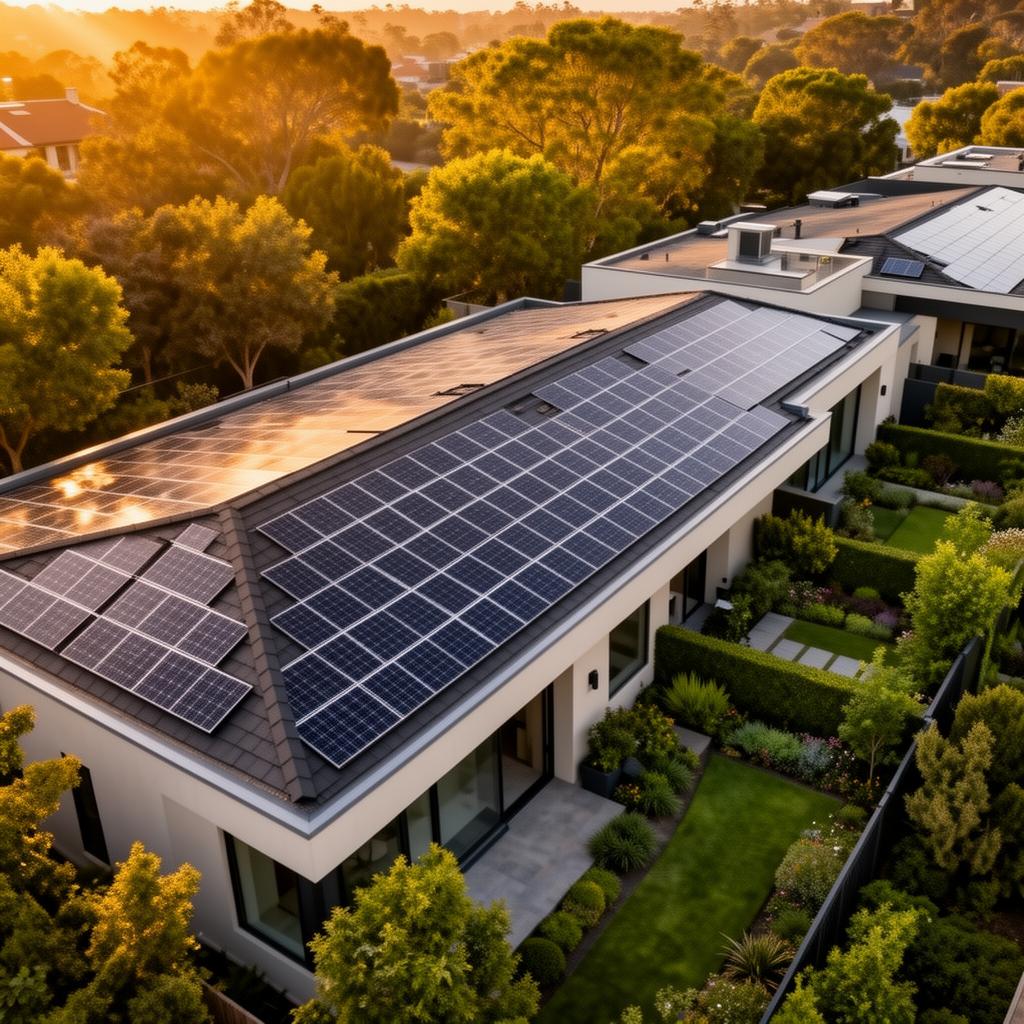
FreeRoof finances new, energy-ready roofs for buildings — homes, apartment blocks, commercial buildings and farm sheds — with zero upfront cost and a fixed monthly fee. Crucially, it doesn't bolt panels onto a tired old roof; it installs a new roof where the solar cells are part of the surface itself. One clean install, one weathertight system, and energy production from day one. It is Roof-as-a-Service: the roof, the solar and the maintenance bundled into a single predictable payment. See the live product at freeroof.pw.
The problem it actually solves
Two real problems collide on every building. First, roofs age and fail — and a failing roof is a slow-motion disaster, threatening the entire structure beneath it, yet a full replacement is a large, lumpy capital expense most owners defer for years. Second, the roof is dead space: the single largest surface a building owns, doing exactly one job — keeping rain out. FreeRoof solves both at once. The owner gets a new, sound roof with no upfront cheque, and that same roof is converted from a depreciating liability into an energy-producing asset.
The roof is the largest unused surface in any city. Roof-as-a-Service is how it finally goes to work.
Why it's the next big thing
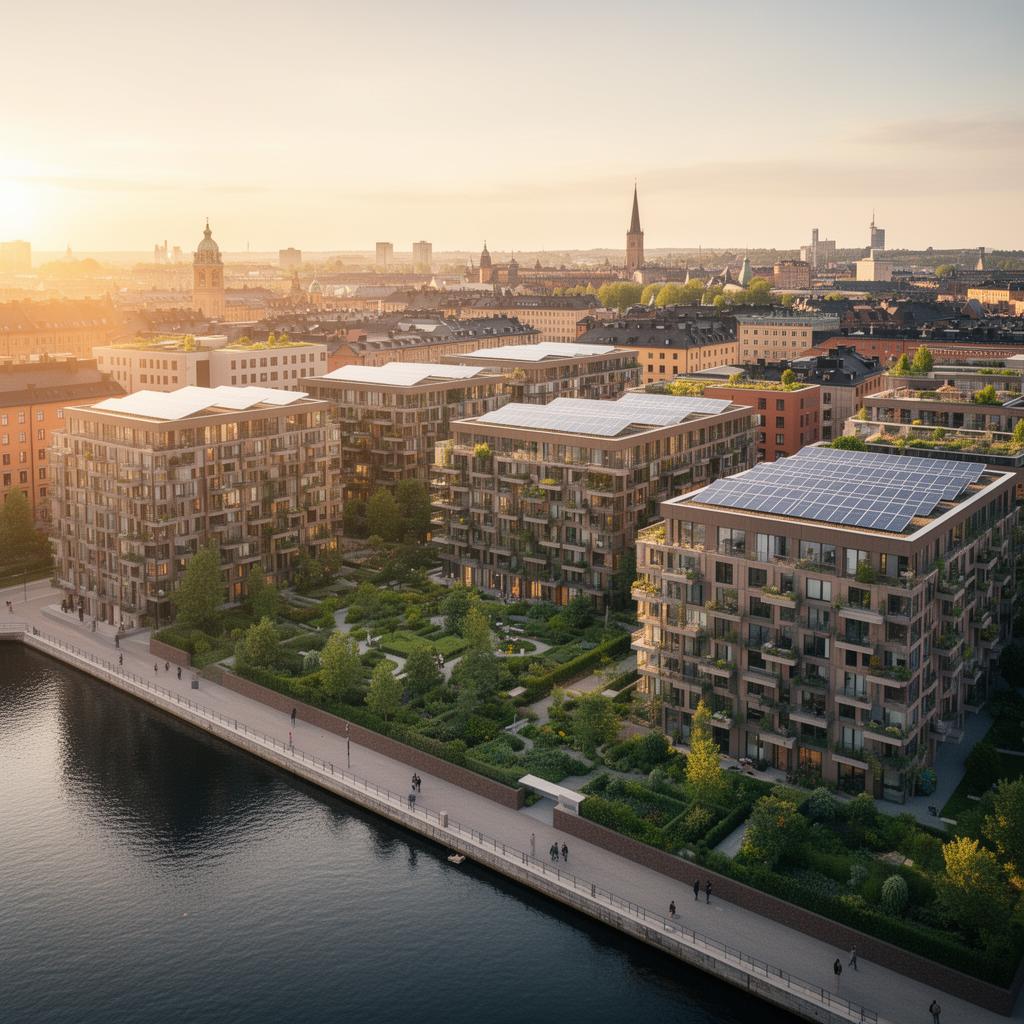
Three forces make Roof-as-a-Service structurally inevitable. Financing: the £0-upfront, fixed-fee model removes the single biggest barrier — the capital cost — and converts it into an operating expense any building can budget for. Integration: building solar into the roof surface (rather than racking panels on top) means one system, lower lifetime cost and a genuinely weathertight result. Scale: rooftops are everywhere, already built, already connected to the grid and to demand. There is no land to acquire and nothing to excavate — the asset already exists on top of every building in the city.
The socio-economic effect
The combined effect is large. Owners who could never have afforded a roof replacement get a sound building and lower operating costs; the same surface starts generating clean power and value; and because the model works across single-family homes through to commercial and agricultural buildings, it reaches far beyond the wealthy early adopters who dominate conventional solar. Distributed rooftop generation, financed this way, spreads energy production — and energy savings — across the whole building stock rather than concentrating it. That is the productive-city thesis applied to the most abundant surface we have: make the roofs work, for everyone, with no upfront barrier.
The same principle as the parking lot
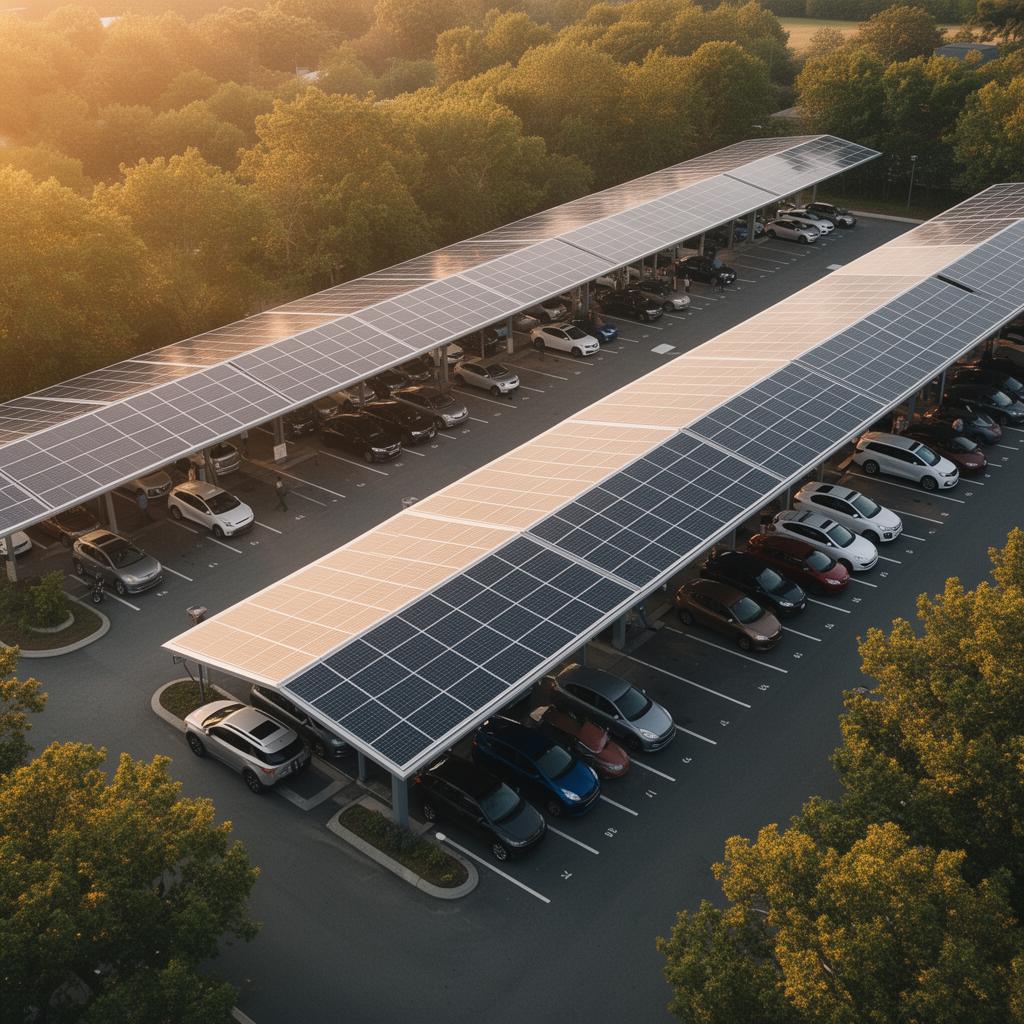
FreeRoof is the rooftop sibling of dual-use parking. Both refuse the wasteful path of acquiring new land and building from scratch; both take a surface that already exists and already does one job, and make it do several. Roof and power plant in one — financed so the building owner never has to choose between a new roof and a solar system. They get both, on day one.