A district with a slogan that is actually a KPI
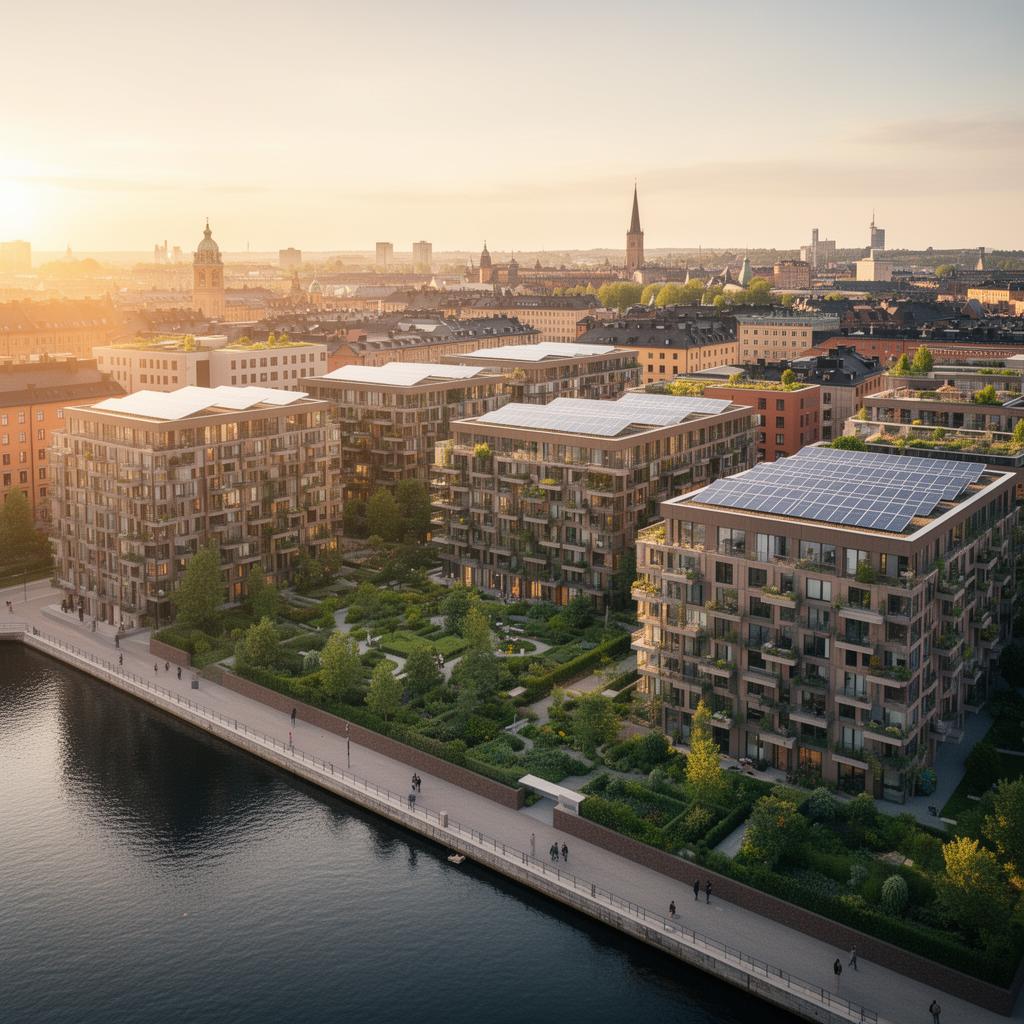
Most district visions are vague. Kalasatama's is unusually concrete: give every resident one more hour a day. That single framing turns mobility, services and digital infrastructure from features into means to a measurable end — reclaimed time. The district, designated smart in 2013, is planned to grow to roughly 25,000 residents and 10,000 jobs.
Mobility designed out of necessity
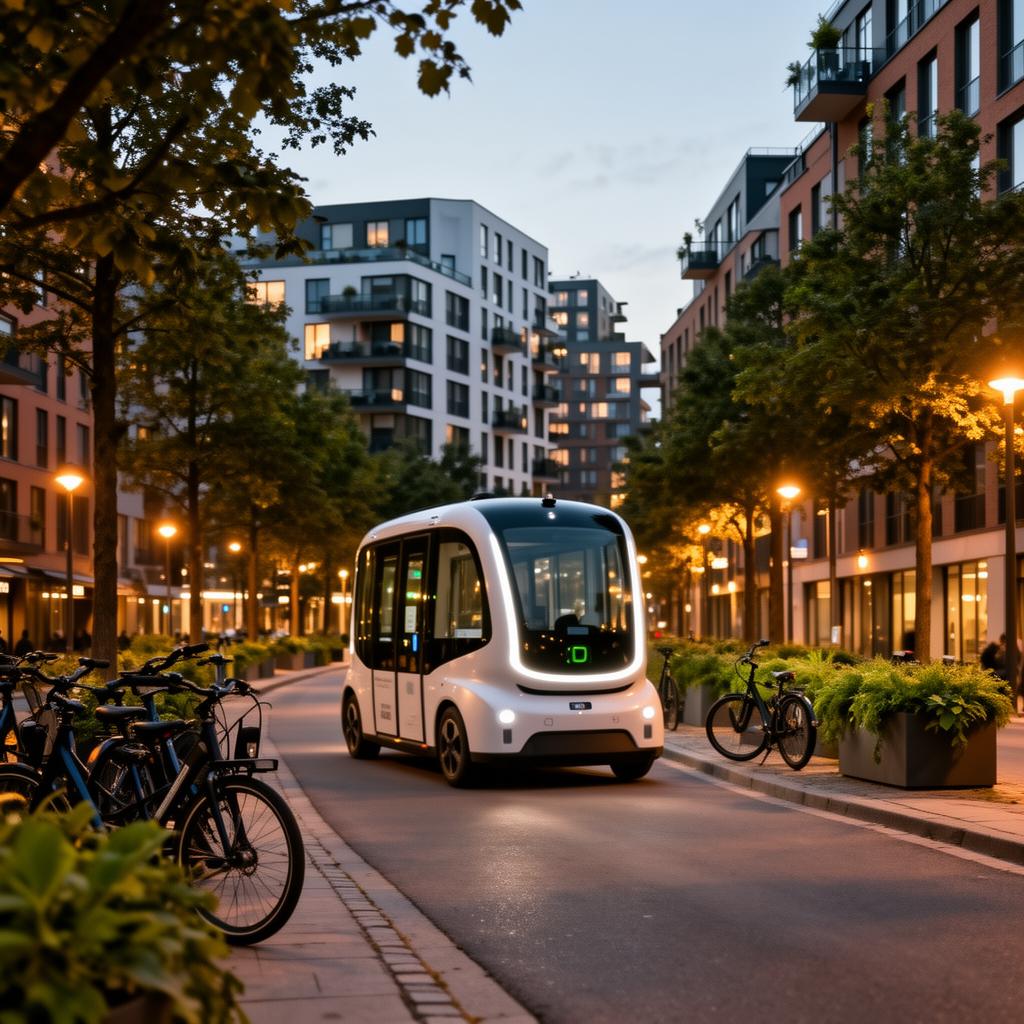
Kalasatama is dense and vertical, so it leans on shared and electric mobility rather than private cars. Roughly every third parking space is equipped with EV charging, residents share electric cars and bikes, and the district piloted autonomous electric shuttles to handle the last-mile link to the metro as part of the EU SOHJOA project. The aim is a Mobility-as-a-Service model where many modes are reachable through one app.
When the goal is an extra hour a day, mobility stops being about vehicles and starts being about time.
Innovation as a civic process
What distinguishes Kalasatama is governance. As landowner, the City of Helsinki invested in core infrastructure and used zoning and development agreements to require private developers to build in smart features — smart meters, automated waste collection — from the start. On top of that, the Agile Piloting Programme handed out micro-grants of roughly €1,000–8,000 so startups and community groups could prototype services directly with residents. This is a public-private model that embeds innovation without the city bearing all the cost.
Results
Smart Kalasatama reporting cites around a 30% reduction in carbon emissions, driven by renewable energy adoption and the shared, electric, walkable design. The district functions as a permanent living lab feeding lessons into the wider Carbon Neutral Helsinki 2035 goal.
Lessons for 2040
Kalasatama shows that the productive city is partly a governance design problem, not only a technology one. The decisive moves were institutional: own the land, write the requirements, fund the experiments, measure the human outcome. For 2040, the transferable lesson is to define success in human terms and use planning power to align private development behind it.